Melissa Evans
Content Writer
Remote onboarding is a strange experience. One minute you’ve accepted a job, the next you’re alone at your kitchen table wondering if the Wi-Fi dropping counts as a bad omen (it doesn’t!). Without hallway chats or the water cooler buzz, first impressions are built entirely through screens – and that means every small signal matters. If you want new hires to feel confident, connected and certain they made the right call, these five non-negotiables will show you exactly how to get it right.
By Melissa Evans
February 17, 2026

Remote onboarding has one major flaw: you can’t rely on “vibes.” There’s no office tour to signal culture. No welcome coffee. No overheard laughter that reassures someone they’ve joined a team of actual humans. Instead, new starters log in from their kitchen table, stare at a calendar full of meetings and quietly wonder what they’ve signed up for.
Remote onboarding isn’t just about access to tools and training modules. It’s about replacing the social cues that used to happen naturally. But don’t panic yet – with a few easy tweaks to your usual onboarding protocol, you’ll have all the foundations you need for your new hire to hit the ground running.
So, if you want remote onboarding to actually work (read: build confidence, accelerate contribution and reduce turnover), here are five non-negotiables.
Your first email sets the tone. If it’s just login credentials and policy attachments from your IT wiz, you’ve already missed an opportunity. Organizational psychology research shows that early signals of belonging significantly impact long-term engagement. People form impressions about culture quickly – often within the first week. Yep, it’s that quick.
A remote new starter should feel welcomed by people, not just systems.
That could mean:
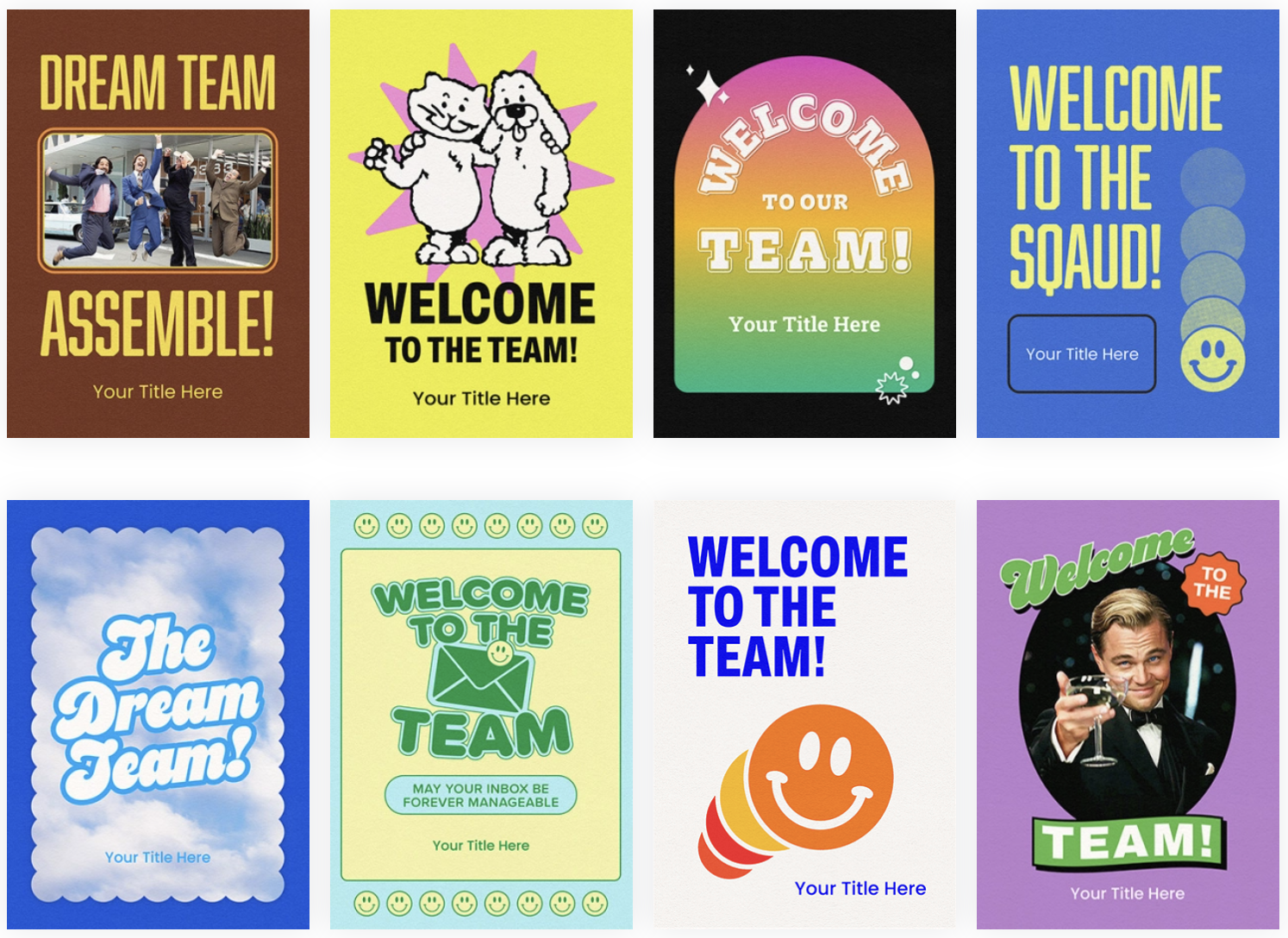
When multiple voices welcome someone, it sends a clear message: you’re expected, and we’re glad you’re here.
Remote environments amplify ambiguity. In an office, new hires can glance around to figure things out. Remotely…well, the only thing they’ll be glancing at is the chocolate stash. Research shows unclear expectations are one of the fastest ways to create early disengagement – so how do you prevent uncertainty? With one step.
Non-negotiable: Define what success looks like in the first 30, 60 and 90 days. And be specific. Really specific. We’re talking Sesame Street levels of specific here:
Clarity reduces anxiety – and when anxiety drops, confidence rises.
Hey, it’s not social engineering, it’s more like confidence architecture. Why? Because confidence compounds – and getting that good start is the key to building their foundation. We know that early wins build self-efficacy, that belief that “I can do this.” Studies show that employees who experience early contribution are more likely to engage actively and collaborate confidently. A first week win should be:
It might be contributing to a meeting, completing a scoped task, improving a process or owning a mini-project. Pair it with recognition – even a quick team shoutout on Slack – and you’ve just accelerated belonging. Ridiculously easy, right?
Remote onboarding works best when people feel useful early, not just informed.
Culture doesn’t form accidentally on Zoom or Slack – these are merely tools and it’s how you use them that counts. Without hallway chats and shared lunches, remote teams need deliberate social touchpoints.
Now this doesn’t mean forced icebreakers. It means:
The goal isn’t productivity. It’s familiarity. People collaborate better when they feel known. So, make sure you get to know each other!
Onboarding shouldn’t feel like navigating the Hay Bale Maze. Every unclear process or tool overload adds invisible friction – and friction drains momentum.
The goal is to make it easy for new hires to:
PS: If the team wants to send a welcome group card, a platform like GroupTogether makes that process completely seamless, intuitive and stress-free – and we know that inclusion rises when participation is effortless.

Make no mistake, this isn’t just about a one-off admin chore – onboarding is the biggest foundation of your team’s culture. It tells new employees what kind of place they’ve joined:
Is it transactional? Or thoughtful?
Is it chaotic? Or considered?
When you prioritize welcome, clarity, early contribution, connection and ease, remote onboarding stops being a checklist and turns into a launchpad.
Because the goal isn’t just to get someone set up.
It’s to make them feel like they’re already part of something.

Melissa Evans
Content Writer

Ali + Julie
Co-Founders, GroupTogether.
Life’s busy. That’s why we’re here to make it easy for you to collect money from a group. Less wasted time, less packaging waste, and spending a little less but giving a lot better!